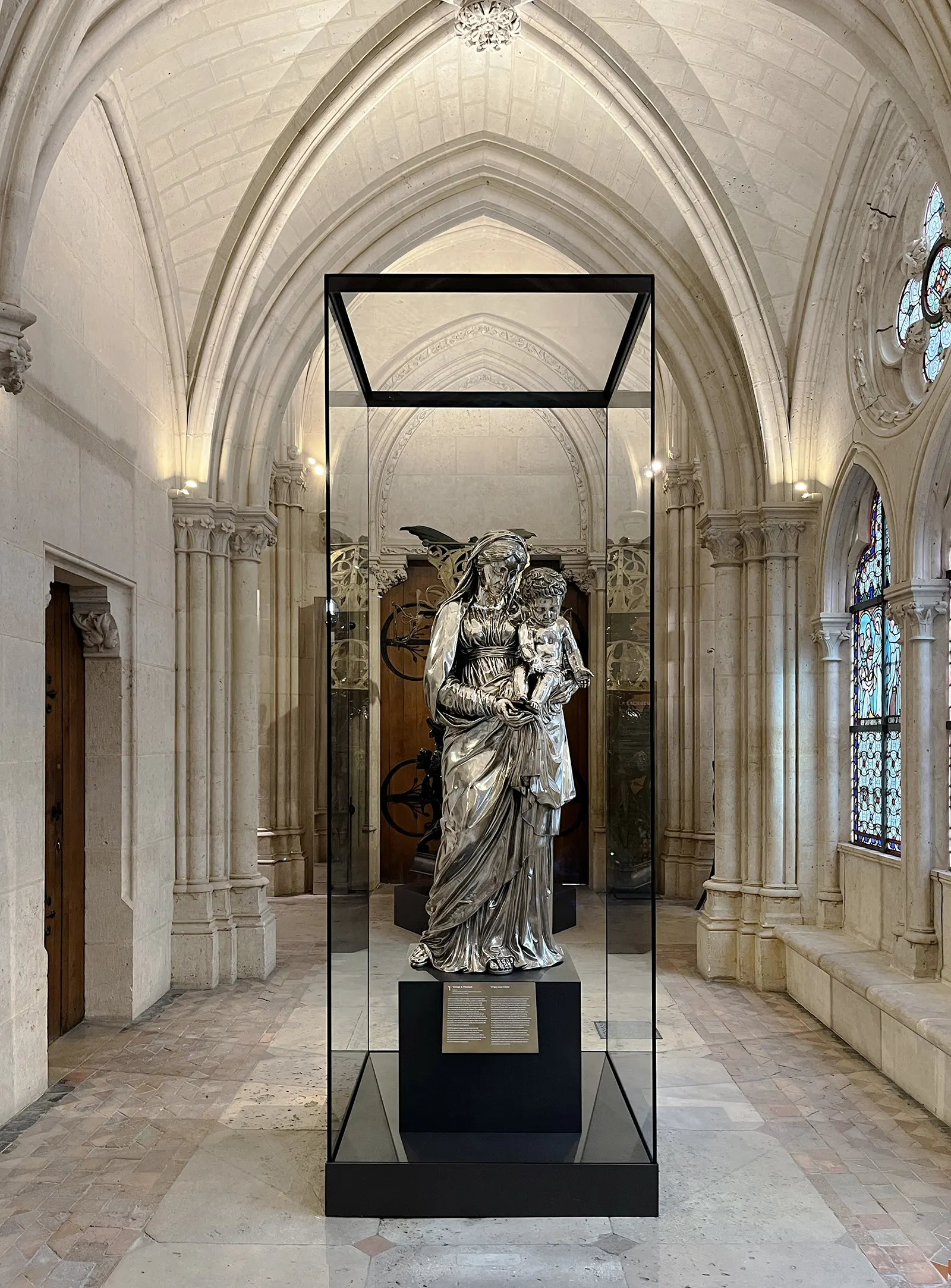
For any cultural project involving display cases, MUEVO introduces a holistic, A-Z approach, covering all stages of the implementation process, from engineering to installation.
01 Project Management
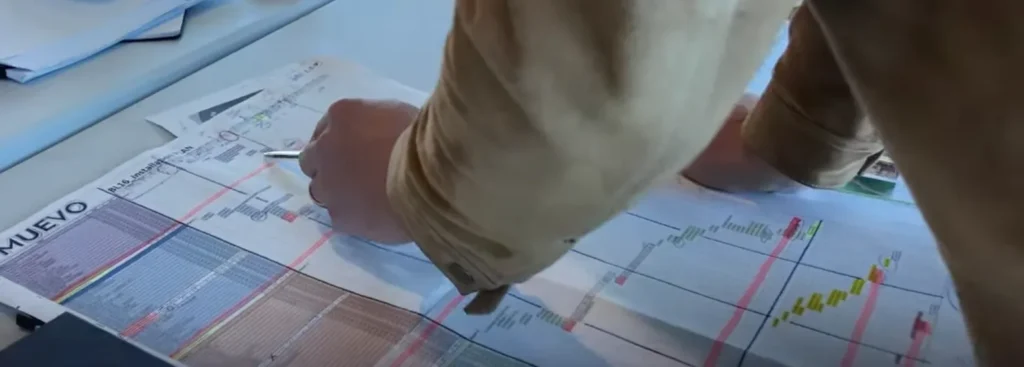
Our structured project methodology provides a coherent framework for every engagement, but it is never rigid. As no two assignments are identical, we always adapt our methodology to the unique demands of each context.
A new cultural facility, a gallery renovation, and an intervention within a listed monument all involve distinct coordination levels, approval procedures, risk factors, and technical constraints. We thus recalibrate our approach from the outset, aligning with the architectural conditions, regulatory requirements, and conservation priorities at hand.
Each project timeline is then integrated into our universal planning, ensuring efficient allocation of resources and coordinated execution — from concept phase through on-site delivery — within the agreed timeframe and budget.
02 Engineering
Resolving the technical parts of an exhibition is where things get creative for us. From conservation requirements to visitor engagement devices, every display case presents its own engineering puzzle, and our goal is to bring your vision to life.
Our engineering team thrives on solving complex technical questions, balancing mechanics with aesthetics, and devising solutions that feel both seamless and robust.
As all our constructions are customised, each project challenges us to enrich our experience and refine our expertise; yet for museum evolution, the notion of expertise remains limitless.
03 R&D
A weight-equalizing piston for an inclined, hinged display case door? A walkable, two-storey vitrine? A showcase with interactive story-telling features? Some ideas require more than execution; they demand exploration.
For us, research and development is both visionary and practical: it pushes our boundaries while constantly improving ergonomics, quality and cost efficiency across all our projects.
02 Engineering
Resolving the technical parts of an exhibition is where things get creative for us. From conservation requirements to visitor engagement devices, every display case presents its own engineering puzzle, and our goal is to bring your vision to life.
Our engineering team thrives on solving complex technical questions, balancing mechanics with aesthetics, and devising solutions that feel both seamless and robust.
As all our constructions are customised, each project challenges us to enrich our experience and refine our expertise; yet for museum evolution, the notion of expertise remains limitless.
03 R&D
A weight-equalizing piston for an inclined, hinged display case door? A walkable, two-storey vitrine? A showcase with interactive story-telling features? Some ideas require more than execution; they demand exploration.
For us, research and development is both visionary and practical: it pushes our boundaries while constantly improving ergonomics, quality and cost efficiency across all our projects.
04 Quality
We implement rigorous quality assurance procedures across our entire production chain. Whether an individual component or a complete assembly, every piece is tested and inspected against strict criteria and globally accepted museum standards. Full assembly testing always takes place prior to dispatch, ensuring that what leaves our facility is ready to perform in situ. Where site constraints require partial pre-assembly or sequencing adjustments, we anticipate these parameters to minimise risk during installation.
From our product performance to the trust our clients place in us, quality is a central element of our philosophy.
05 Installation
Installation is where an exhibition begins to take physical form – and often one of the most challenging parts of the project cycle.
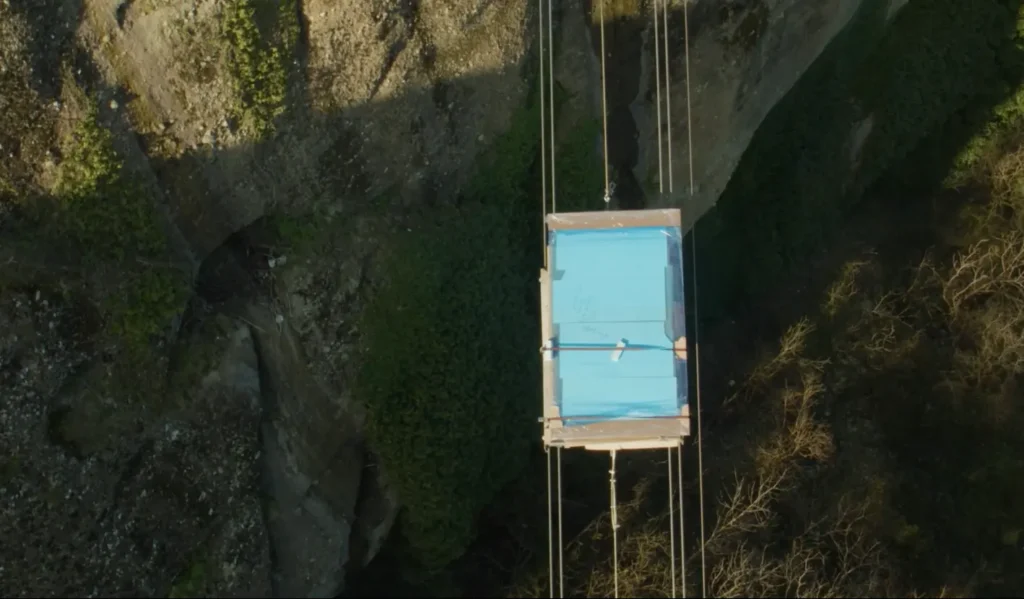
In our experience, it’s usually the conditions of the exhibition venue shaping the challenge: historic monuments with narrow openings, vaulted ceilings without lifts, and cliff-side buildings in remote settings with limited access. From elevators and cable systems to any other type of unconventional transport, we ensure safe and intelligent delivery even to the most demanding environments.
05 Installation
Installation is where an exhibition begins to take physical form – and often one of the most challenging parts of the project cycle.
In our experience, it’s usually the conditions of the exhibition venue shaping the challenge: historic monuments with narrow openings, vaulted ceilings without lifts, and cliff-side buildings in remote settings with limited access. From elevators and cable systems to any other type of unconventional transport, we ensure safe and intelligent delivery even to the most demanding environments.
06 Maintenance
Built in-house with longevity in mind from the early stages of engineering, our constructions are designed to perform over time. Even so, we like to remain close to every project we execute.
As part of delivery, we will provide your collections care team with a detailed user manual and on-site training, ensuring confident and secure handling of your display cases and exhibition equipment.
Beyond that, we further offer custom maintenance services. From periodic inspections to preventive interventions, the level of our support will always be tailored to your needs.
Workflow Process
Still wondering how it all comes together?
Here’s a quick look at a typical workflow process diagram,
outlining how we bring every project to life, step by step.
Phase A: Planning & Engineering
Kickoff Meeting
with client team & all relevant stakeholders
Site Visit
measuring / scan of space dimensions & access routes
Methodology
submission of analytic time plan & work flow
Sampling
presentation of samples and prototypes
Drawings
submission of execution drawings for client approval
Client Review
discussions & revisions until final confirmation
Phase B: Production & Assembly
Construction Drawings
& instructions sent to production and procurement
Production
start of fabrication process (metal, glass, etc)
QA Testing
of individual construction parts & accessories
Assembly / QC
full assembly of constructions; inspections & testing
Dismantling
disassembly for transport according to site access
Logistics
packaging & delivery to the installation site
Phase C: Installation & Maintenance
Installation
on-site fitting, levelling and adjustments
On-site QC
airtightness testing: ultrasonic & C02
Commissioning
activation & regulation of lighting and equipment
Reception
project handover to the client for final inspection
Training
session & submission of user manual and as-built drawings
Maintenance
tailored preventive & corrective maintenance services
Workflow Process
Still wondering how it all comes together?
Here’s a quick look at a typical workflow process diagram,
outlining how we bring every project to life, step by step.
Phase A: Planning & Engineering
Kickoff Meeting
with client team & all relevant stakeholders
Site Visit
measuring / scan of space dimensions & access routes
Methodology
submission of analytic time plan & work flow
Sampling
presentation of samples and prototypes
Drawings
submission of execution drawings for client approval
Client Review
discussions & revisions until final confirmation
Phase B: Production & Assembly
Construction Drawings
& instructions sent to production and procurement
Production
start of fabrication process (metal, glass, etc)
QA Testing
of individual construction parts & accessories
Assembly / QC
full assembly of constructions; inspections & testing
Dismantling
disassembly for transport according to site access
Logistics
packaging & delivery to the installation site
Phase C: Installation & Maintenance
Installation
on-site fitting, levelling and adjustments
On-site QC
airtightness testing: ultrasonic & C02
Commissioning
activation & regulation of lighting and equipment
Reception
project handover to the client for final inspection
Training
session & submission of user manual and as-built drawings
Maintenance
tailored preventive & corrective maintenance services
Got more questions?
We will be happy to answer them. If you require further
info or clarifications, don’t hesitate to get in touch.